States of Matter
Let's learn about the States of Matter!
What are the states of matter?
The states of matter are solid, liquid, gas, and plasma. These are the distinct forms in which matter can exist.
Solids
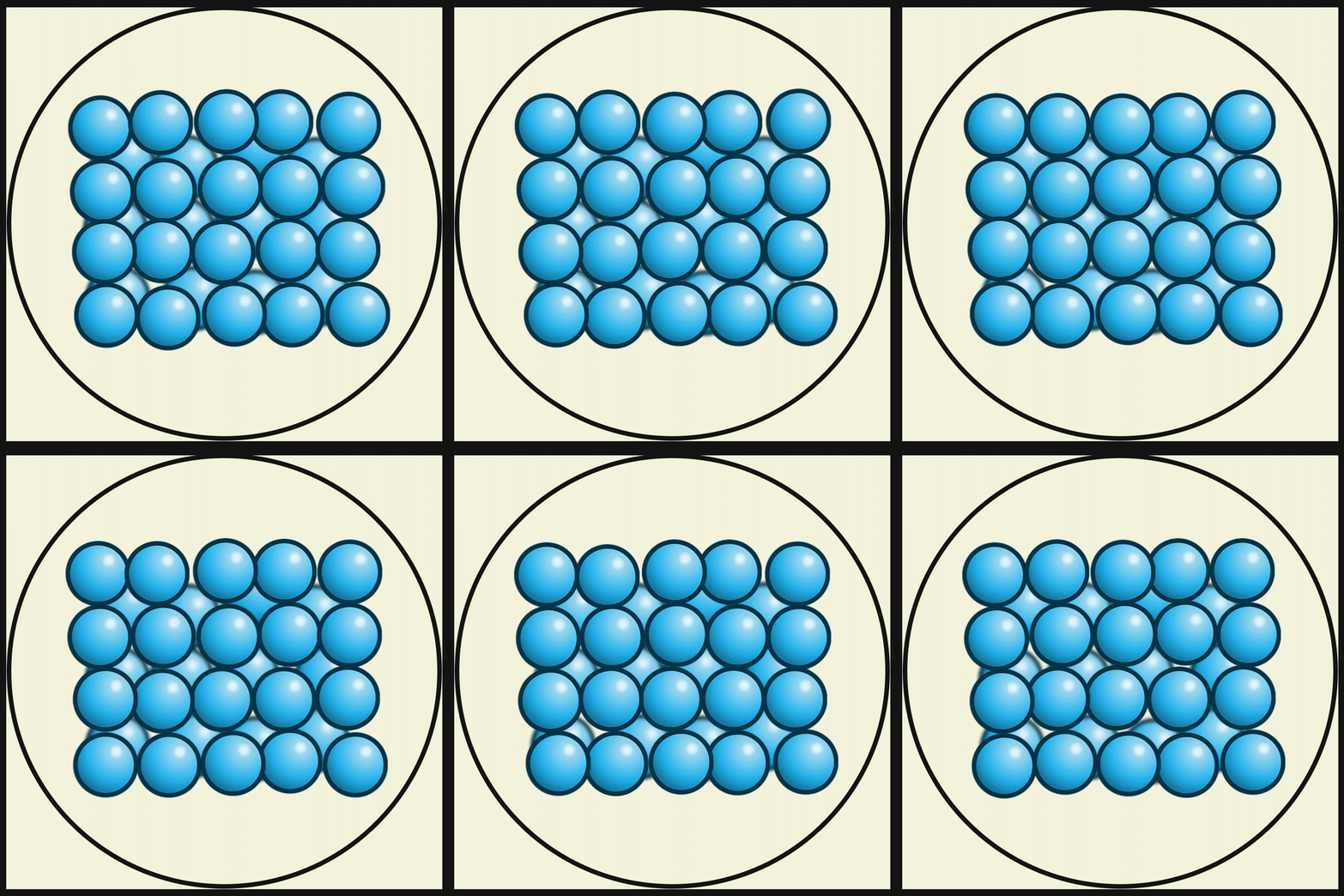
In a solid, particles are tightly packed together. The particles cannot move freely and only vibrate. In a crystalline solid, the particles are packed in a regularly ordered, repeating pattern.
Liquids
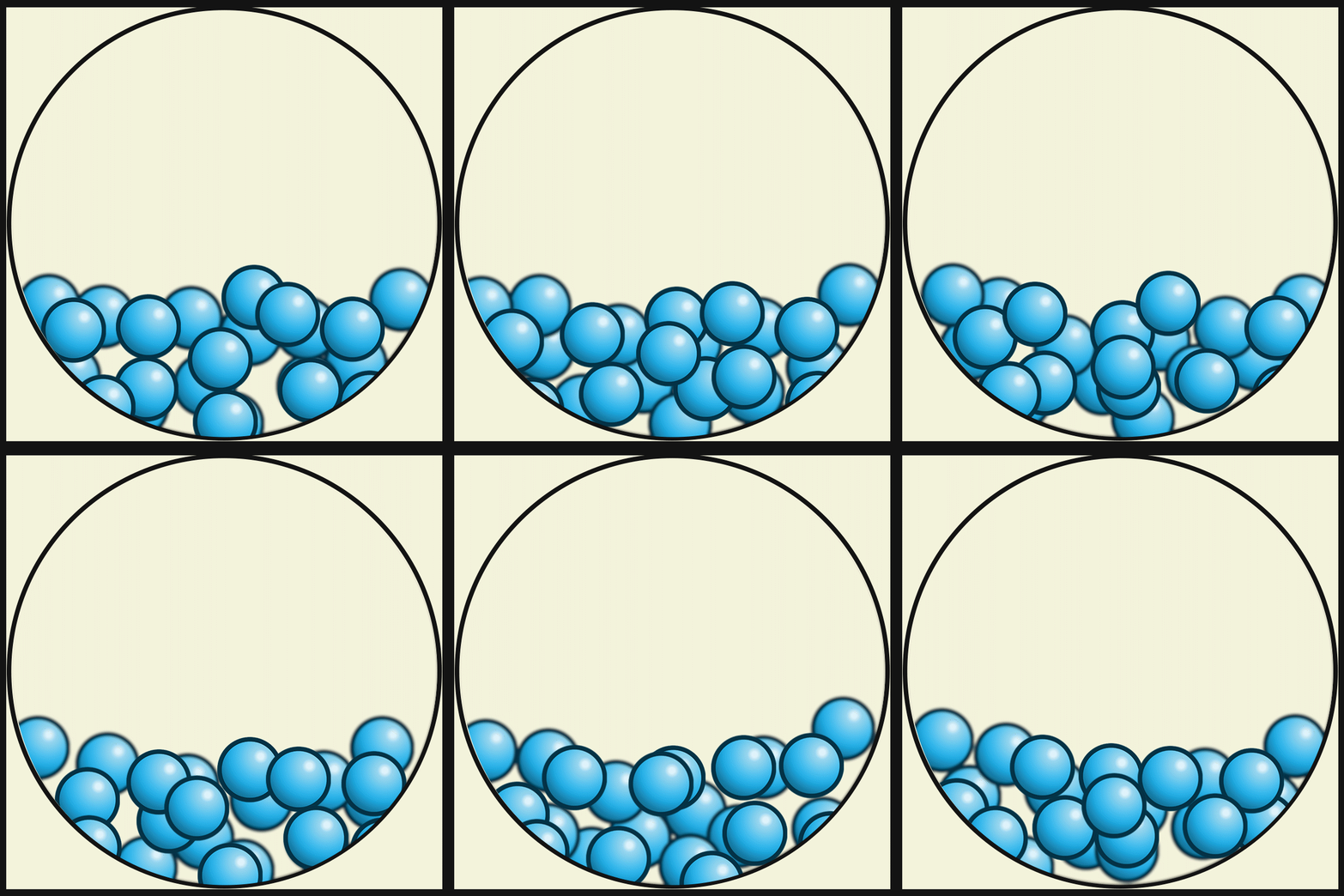
A liquid is a nearly incompressible fluid that conforms to the shape of its container but retains a (nearly) constant volume independent of pressure. The volume is definite if the temperature and pressure are constant. A solid can be melted into a liquid and a gas can be condensed into a liquid.
Gases
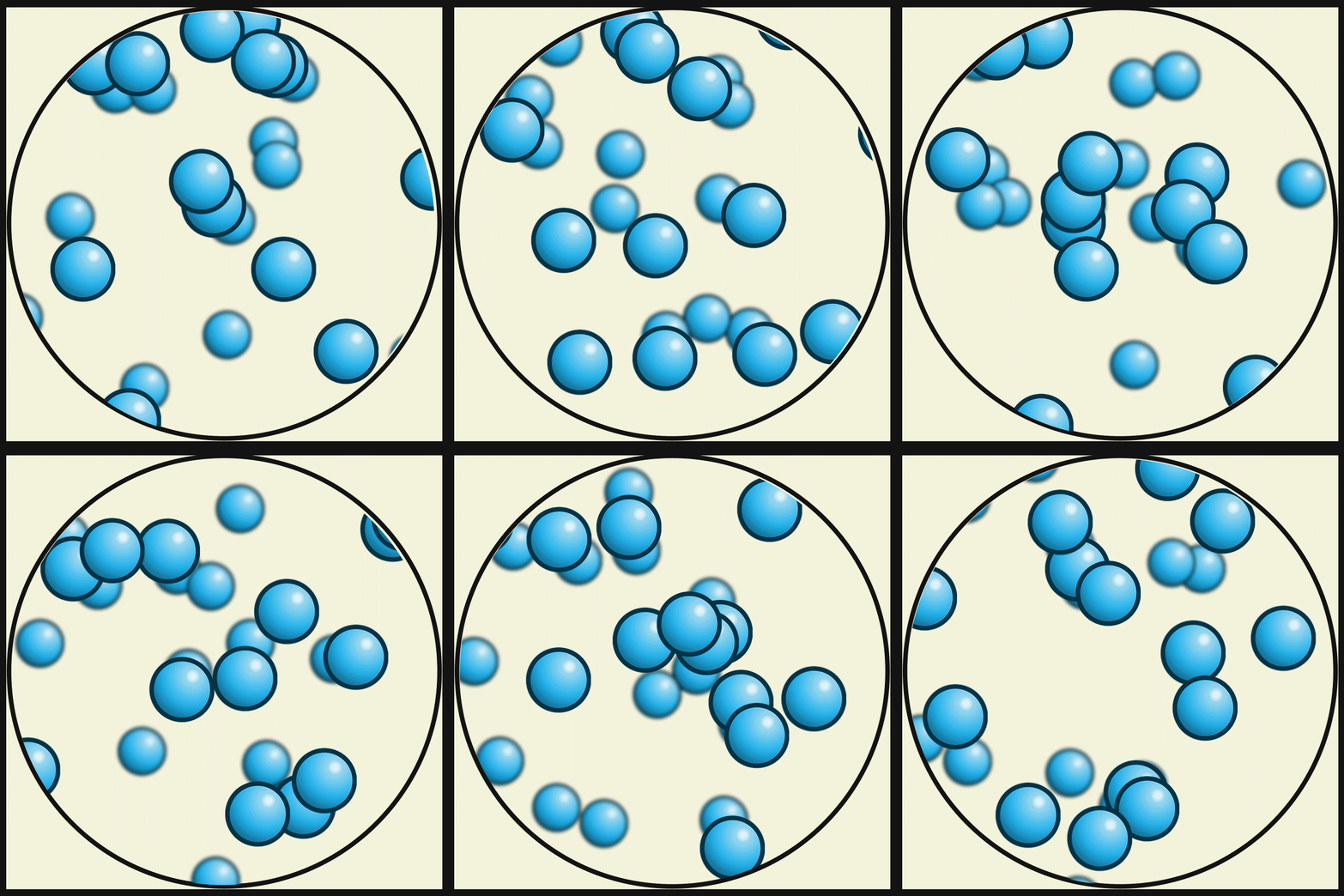
A gas is a compressible fluid. Not only will a gas conform to the shape of its container but it will also expand to fill the container. A liquid can be heated into a gas. There are also cases where solids transform into a gas, such as dry ice.
Plasma
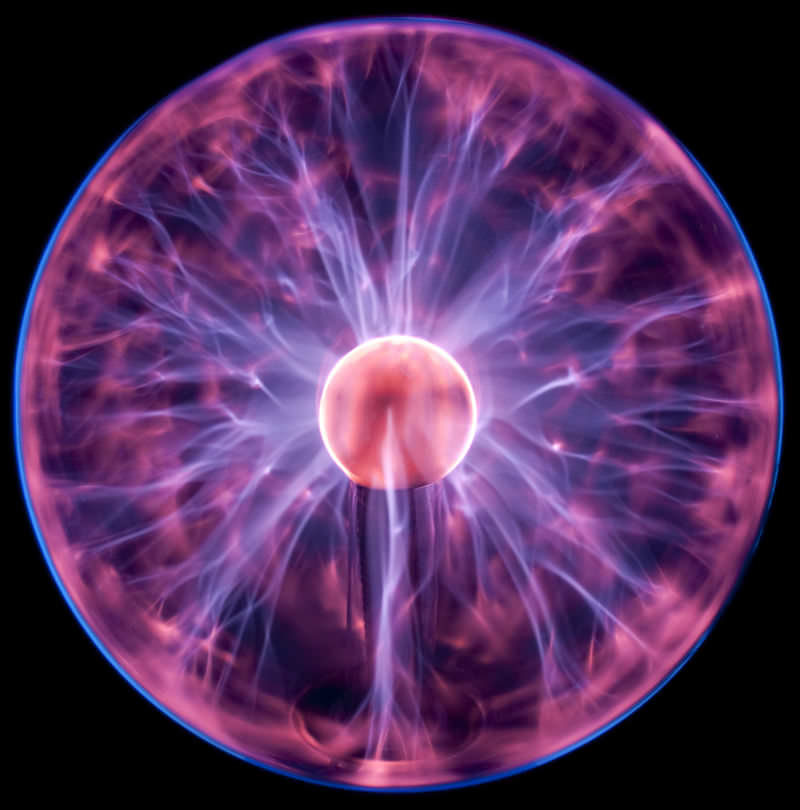
Plasma does not have definite shape or volume. Unlike gases, plasmas are electrically conductive, produce magnetic fields and electric currents, and respond strongly to electromagnetic forces. Positively charged nuclei swim in a "sea" of freely-moving disassociated electrons, similar to the way such charges exist in conductive metal, where this electron "sea" allows matter in the plasma state to conduct electricity.